Learn
Crystal Deodorant vs Aluminium Chlorohydrate: What is the Difference?
Both contain the word "aluminium" in some form, and both are used in underarm products — so it is no surprise that potassium alum (crystal deodorant) and aluminium chlorohydrate are often lumped together. In reality they are very different compounds that work in completely different ways. Understanding the distinction helps you choose the product that suits you.
Why the confusion exists
The confusion is understandable. Both compounds contain aluminium atoms, both are used on the underarms, and the word "aluminium" has become a talking point in personal care. But the way aluminium is bound within each compound — and what it does on the skin — is where they diverge entirely.
What is potassium alum?
Potassium alum (potassium aluminium sulphate) is a naturally occurring mineral salt used as a deodorant. Its molecules are large and stable. When applied to damp skin, it leaves a thin mineral layer on the surface that makes it harder for odour-causing bacteria to thrive.
Critically, potassium alum does not block sweat glands. You continue to perspire normally; the odour is simply managed at the surface. It is a single-ingredient approach with a history stretching back thousands of years.
What is aluminium chlorohydrate?
Aluminium chlorohydrate is the active ingredient in most conventional antiperspirants. It is a manufactured compound made of much smaller aluminium molecules. When applied, it dissolves and forms a temporary gel plug inside the sweat ducts, physically reducing the amount of sweat that reaches the skin's surface.
In other words, aluminium chlorohydrate is designed to stop sweat, whereas potassium alum is designed to control odour. That single difference drives everything else.
The key differences
Purpose
Potassium alum is a deodorant — it targets odour. Aluminium chlorohydrate is an antiperspirant — it reduces wetness.
How they interact with skin
Potassium alum's large molecules sit on the surface and are not absorbed in the same way. Aluminium chlorohydrate's smaller molecules enter the sweat ducts to form plugs.
Sweat
With potassium alum you sweat normally. With aluminium chlorohydrate, sweating is actively reduced.
Ingredients
Potassium alum is a single naturally occurring mineral. Antiperspirants typically combine aluminium chlorohydrate with fragrances, carriers, and other agents.
Origin
Potassium alum occurs in nature and has been used for millennia. Aluminium chlorohydrate is a modern, industrially produced compound.
Which is right for you?
Neither is universally "better" — it depends on what you want:
- Choose crystal deodorant if you want effective odour control, a single ingredient, no fragrance, and are comfortable sweating naturally.
- Choose an aluminium chlorohydrate antiperspirant if your priority is keeping the underarm as dry as possible and you specifically want to reduce sweat.
Many people who do not need a bone-dry underarm find that a deodorant is all they ever wanted. If you are wondering whether it will keep you fresh, our honest look at whether crystal deodorant works is a good next read.
Summary
Potassium alum and aluminium chlorohydrate are not the same thing. One is a naturally occurring mineral deodorant that manages odour at the skin's surface; the other is a manufactured antiperspirant that plugs sweat ducts to reduce wetness. Knowing the difference is the key to choosing what actually suits your routine.
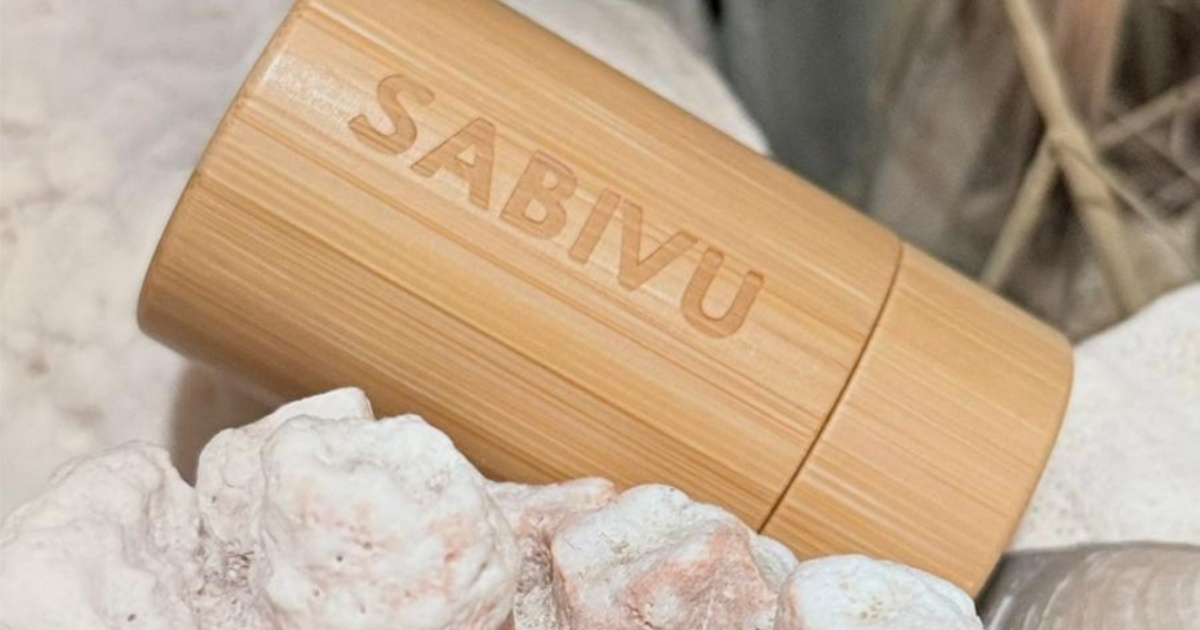
Sabivu is a potassium alum crystal deodorant in a bamboo case — a single-ingredient choice for people who want clean, simple, effective odour control.